Dress design is more than just creating clothing it is a powerful form of artistic expression that reflects culture, personality, and innovation. From ancient civilizations to modern fashion runways, dress design has continuously evolved, blending tradition with contemporary trend. In today’s fast-paced fashion industry.
Dress design plays a crucial role in both high fashion and everyday wear. It is not limited to luxury brands or runway shows; it extends to street style, cultural attire, and even digital fashion. With the rise of sustainability and technology, the field is transforming rapidly, giving designers new tools and responsibilities.
This article explores the fundamentals of its history, key elements, current trends, and future possibilities. Whether you are a fashion enthusiast or someone curious about how garments are created, understanding dress design opens a window into a fascinating and ever-changing creative world.
The History and Evolution of Dress Design
Dress design has a rich and diverse history that dates back thousands of years. In ancient times, clothing was primarily functional, designed for protection and modesty. However, even early garments reflected social status, culture, and identity. For example, ancient Egyptians used linen for comfort in hot climates, while royal garments often featured intricate embroidery and precious materials.
During the Middle Ages, dress design became more elaborate, especially among the nobility. Fashion began to signify wealth and power, with luxurious fabrics like silk and velvet becoming highly desirable. The Renaissance period marked a turning point, as art and creativity heavily influenced clothing design.
The Industrial Revolution revolutionized dress design by introducing machinery that allowed mass production of garments. This made fashion more accessible to the general public. In the 20th century, iconic designers transformed the industry by introducing new silhouettes, fabrics, and concepts, making fashion more experimental and expressive.
Key Elements of Dress Design
Dress design is built on several fundamental elements that work together to create a visually appealing and functional garment.The fashion industry is constantly evolving, reflects current societal values and technological advancements.
Fabric Selection
Fabric is the foundation of any dress. The choice of material affects the garment’s comfort, durability, and appearance. Common fabrics include cotton, silk, wool, and synthetic blends. Each fabric behaves differently, influencing how the dress drapes and fits.
Color and Pattern
Color plays a vital role in conveying mood and style. Bright colors can create a bold statement, while neutral tones offer elegance and simplicity. Patterns such as floral, geometric, and abstract designs add visual interest and personality.
Silhouette and Shape
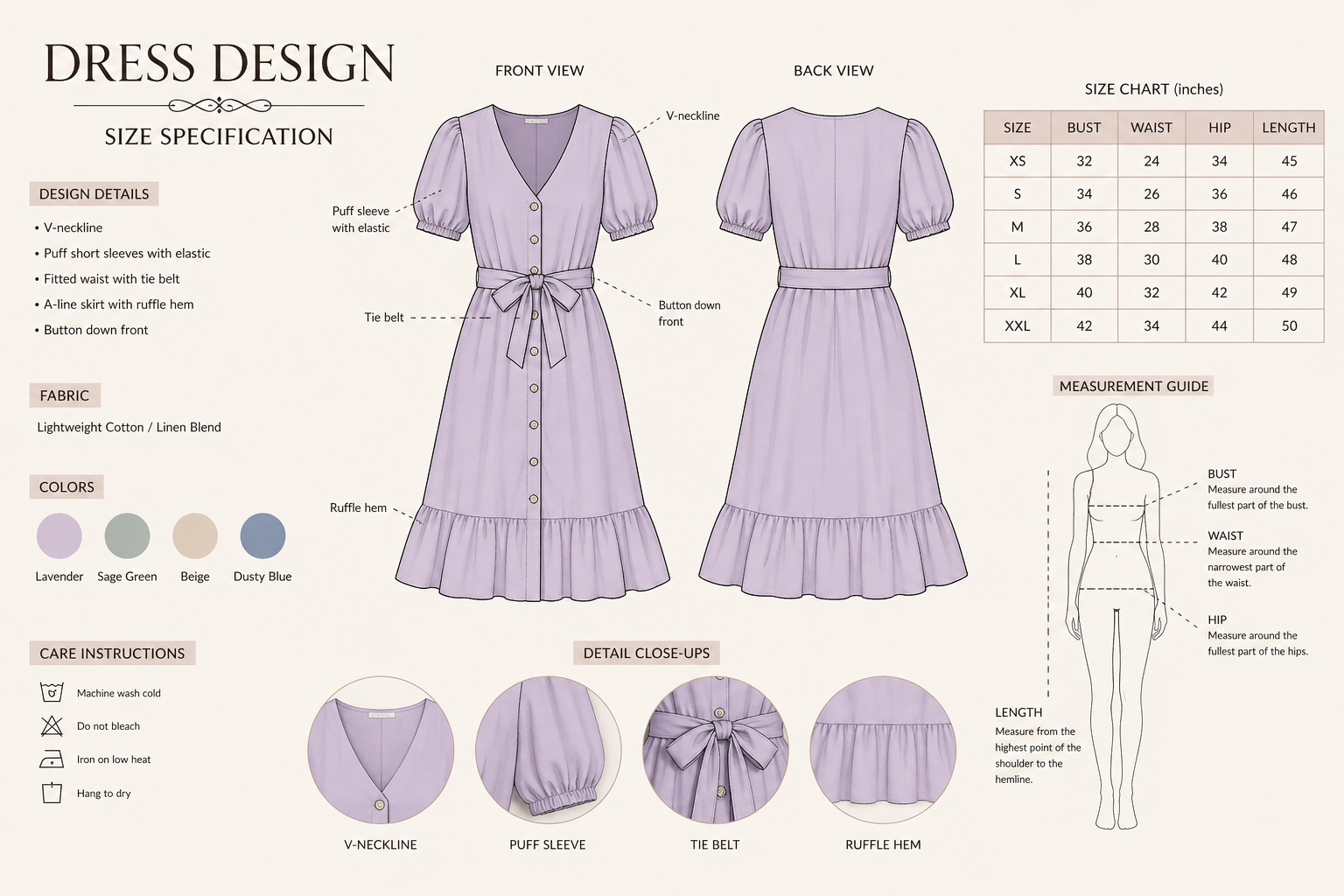
The silhouette defines the overall shape of a dress. Popular silhouettes include A-line, sheath, ball gown, and empire waist. The choice of silhouette depends on body type, occasion, and design intention.
Texture and Detail
Details like embroidery, lace, pleats, and ruffles enhance the aesthetic appeal of a dress. Texture adds depth and dimension, making the design more engaging.
Functionality and Comfort
A well-designed dress balances style with practicality. Comfort, ease of movement, and suitability for the occasion are essential considerations.
The Role of Creativity in Dress Design
Creativity is at the heart of dress design. Designers often draw inspiration from various sources, including nature, art, culture, and personal experiences. Sketching, draping, and experimenting with fabrics are common techniques used to bring ideas to life.
Fashion designers must also consider trends while maintaining originality. The ability to innovate while staying relevant is what sets successful designers apart. Creativity in dress design is not limited to aesthetics; it also involves problem-solving, such as finding sustainable materials or improving garment function.
Sustainable Fashion
Sustainability has become a major focus in dress design. Designers are using eco-friendly materials, reducing waste, and promoting ethical production practices.
Digital Fashion and Technology
Technology is transforming the way dresses are designed and produced. Computer-aided design (CAD), 3D printing, and virtual fashion shows are becoming increasingly popular.
Minimalism and Versatility
Modern consumers prefer versatile designs that can be worn in multiple ways. Minimalist styles with clean lines and neutral colors are gaining popularity Cultural Fusion Globalization has led to the blending of different cultural styles, creating unique and diverse.
The Process of Designing a Dress
Creating a dress involves several steps, each requiring skill and attention to detail.
Research and Inspiration
Designers begin by gathering ideas from various sources and identifying the purpose of the dress.
Sketching and Concept Development
Initial sketches are created to visualize the design. These sketches evolve into detailed plans. Fabric Selection and Sampling Choosing the right fabric is crucial. Designers often create samples to test the design Pattern Making and Cutting Patterns are developed to guide the cutting of fabric pieces. Sewing and Construction The dress is assembled using sewing techniques, ensuring proper fit and finish Fitting and Final Adjustments The final step involves fitting the dress and making necessary adjustments for comfort and style.
The Importance of Dress Design in Society
Dress design plays a significant role in shaping cultural identity and personal expression. Clothing can reflect traditions, beliefs, and social status. It also influences how individuals perceive themselves and are perceived by others. In addition, the fashion industry contributes to the global economy, providing employment and driving innovation. Dress design also promotes inclusivity by catering to diverse body types, genders, and cultural backgrounds.
Challenges in Dress Design
Despite its creative nature, dress design comes with several challenges. Designers must balance creativity with commercial viability. They need to meet consumer demands while maintaining originality. Sustainability is another major challenge, as the industry seeks to reduce its environmental impact. Competition in the fashion industry is intense, requiring designers to continuously innovate. Additionally, rapid changes in trends can make it difficult to stay relevant.
Future of Dress Design
The future of dress design is shaped by technology and sustainability. Smart fabrics that can adapt to temperature and movement are becoming a reality. Artificial intelligence is being used to predict trends and assist in design processes. Sustainable practices will continue to play a crucial role, with an emphasis on recycling, upcycling, and ethical production. Virtual fashion and digital clothing are also expected to grow, offering new possibilities for creativity and expression.
Conclusion
Dress design is a fascinating blend of art, culture, and innovation. From its historical roots to modern advancements, it has continuously evolved to meet the needs and desires of society. The key elements of fabric, color, silhouette, and detail work together to create garments that are both functional and expressive.
In today’s world, dress design goes beyond aesthetics, addressing issues such as sustainability and technological integration. Designers are not only creators but also problem-solvers who shape the future of fashion. As trends continue to change and new technologies emerge, the field of dress design will remain an essential part of human expression and creativity.
FAQs
What is dress design?
Dress design is the process of creating clothing by combining artistic creativity with technical skills such as pattern making, fabric selection, and garment construction.
What skills are needed for dress design?
Key skills include creativity, drawing, knowledge of fabrics, sewing techniques, and an understanding of fashion trends.
How long does it take to design a dress?
The time varies depending on the complexity of the design, ranging from a few hours to several weeks.
What is the difference between fashion design and dress design?
Fashion design is a broader field that includes all types of clothing and accessories, while dress design focuses specifically on creating dresses. Why is sustainability important in dress design?
Sustainability helps reduce environmental impact by using eco-friendly materials and ethical production methods, ensuring a better future for the fashion industry.