
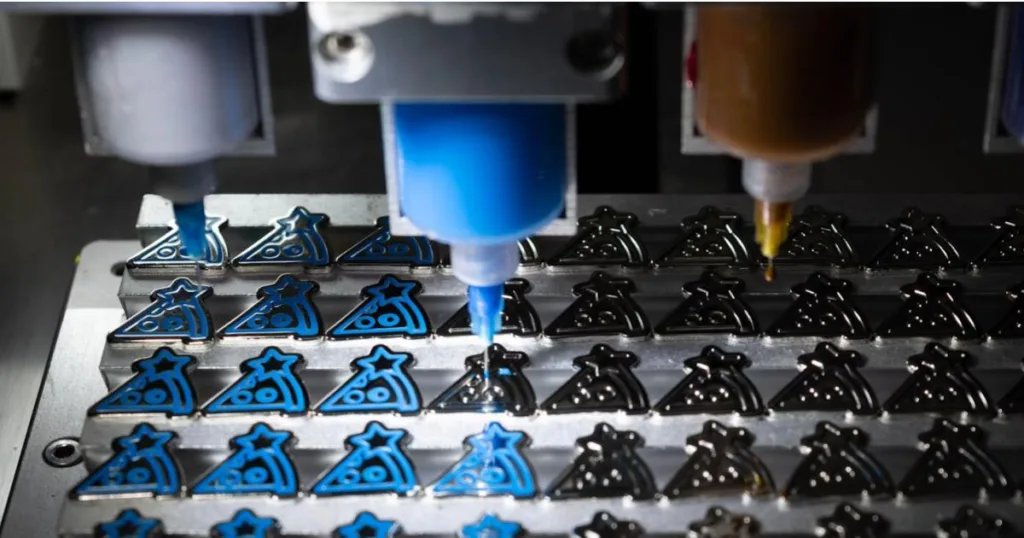
Custom manufacturing services enable businesses and individuals to transform unique ideas into tangible products through tailored production processes. These offerings bridge the gap between conceptual design and real-world application, supporting innovation across industries.
Understanding Custom Manufacturing
Custom manufacturing involves creating products based on specific client requirements rather than mass-produced standards. Unlike traditional factory runs, it emphasizes flexibility, allowing for variations in materials, sizes, and features to meet precise needs.
This approach has roots in early industrial practices but gained prominence with advancements in computer-aided design and rapid prototyping. Today, it serves sectors from aerospace to consumer goods, where one-size-fits-all solutions fall short.
Key Benefits for Businesses
Companies turn to these services to reduce waste and accelerate time-to-market. By producing only what is needed, firms minimize excess inventory and associated costs.
Small-batch runs also foster experimentation, letting designers test iterations without committing to large volumes. This agility proves invaluable in fast-evolving markets like electronics and medical devices.
Cost Implications Over Time
Initial setup might appear higher due to specialized tooling, but long-term savings emerge through efficiency. Economies of scale apply differently here, favoring quality over quantity in niche applications.
Types of Custom Manufacturing Processes
Several methods fall under custom manufacturing services, each suited to particular materials and complexities. Selection depends on factors like part geometry, strength requirements, and production volume.
Common techniques include CNC machining for precision metal parts, 3D printing for complex prototypes, and injection molding for plastic components. These processes often combine, creating hybrid workflows for optimal results.
CNC Machining Essentials
CNC, or computer numerical control, uses programmed software to guide tools across raw stock. It excels in subtractive manufacturing, carving away material to reveal final shapes with tolerances as tight as micrometers.
Metals like aluminum and steel dominate, but plastics and composites work well too. Industries such as automotive rely on it for engine components and brackets.
Advantages in Precision Work
Repeatability stands out, ensuring identical parts across runs. Modern multi-axis machines handle intricate geometries that manual methods cannot achieve.
Additive Manufacturing Role
Also known as 3D printing, this builds layer by layer from digital files. It shines for low-volume custom runs, offering design freedom without molds.
Materials range from plastics and resins to metals via powder bed fusion. Prototyping medical implants or aerospace ducts benefits from its speed and minimal waste.
Material and Finish Options
Post-processing like annealing or coating refines surface quality. Hybrid systems integrate printing with machining for superior finishes.
Injection Molding for Scale
For higher volumes within custom scopes, injection molding injects molten material into molds. It suits detailed plastic housings or enclosures.
Tooling investment pays off beyond 1,000 units, blending customization with efficiency. Variations like overmolding add textures or multi-materials seamlessly.
Choosing the Right Provider
Selecting a partner for custom manufacturing services requires evaluating capabilities, experience, and reliability. Look beyond price to certifications like ISO 9001, signaling quality commitment.
Review portfolios for similar projects, noting complexity handled. Communication prowess matters, as iterative feedback refines outcomes.
Critical Evaluation Factors
- Technical Expertise: Proficiency in CAD software and simulation tools predicts success.
- Equipment Modernity: Newer machinery supports advanced materials and faster cycles.
- Scalability: Ability to grow from prototypes to production volumes without disruption.
Supply Chain Strength
Reliable providers maintain robust vendor networks for exotic alloys or composites. Lead time transparency avoids project delays.
Global options exist, but local ones cut shipping risks and support faster iterations. Trade policies influence material sourcing too.
Materials in Custom Production
Diversity defines material choices, from ferrous metals like titanium for durability to polymers for lightweight parts. Each brings properties like conductivity, flexibility, or heat resistance.
Sustainability trends favor recyclables and bio-based options. Aluminum’s recyclability, for instance, appeals in eco-conscious designs.
Metals and Alloys Overview
Stainless steel offers corrosion resistance for marine applications. Titanium balances strength and lightness, ideal for implants.
Brass and copper serve electrical components, leveraging conductivity. Heat treatments enhance properties further.
Non-Metallic Alternatives
Engineering plastics like nylon or PEEK withstand harsh environments. Composites, blending fibers with resins, boost strength-to-weight ratios.
Ceramics are used for high-temperature applications, such as turbine blades. Surface treatments like anodizing protect and beautify.
Design Considerations for Success
Effective designs account for manufacturing constraints early. Features like uniform wall thickness in molding prevent defects.
Software like SolidWorks simulates stress and flow, catching issues pre-production. Tolerances must balance precision with feasibility.
Prototyping Importance
Iterative prototypes validate assumptions, using affordable methods like SLA printing. Feedback loops refine ergonomics and function.
Functional testing under real conditions reveals weaknesses. This stage often uncovers assembly simplifications, too.
File Preparation Tips
Export in neutral formats like STEP for compatibility. Include drawings with critical dimensions and finishes specified.
Industry Applications
Custom manufacturing services permeate fields demanding specificity. Automotive customizes performance parts, while healthcare crafts patient-specific prosthetics.
Electronics benefits from bespoke enclosures housing unique circuits. Furniture makers produce one-off designs blending art and utility.
Aerospace and Defense
Lightweight, high-strength parts endure extreme conditions. Certification processes ensure compliance with stringent standards.
Medical Device Innovations
From orthotics to surgical tools, personalization improves outcomes. Biocompatible materials and sterile processes are non-negotiable.
Emerging Trends Shaping the Field
Digital twins virtualize production, predicting outcomes accurately. AI optimizes tool paths, slashing machining times.
Sustainability drives recycled feedstocks and energy-efficient processes. Onshoring gains traction amid supply chain disruptions.
Automation and Robotics
CNC integrates with robots for lights-out operations. Collaborative bots assist in finishing tasks safely.
Sustainable Practices
Closed-loop systems recycle scraps. Carbon-neutral factories emerge, aligning with global goals.
Challenges and Solutions
High costs challenge startups, but shared facilities mitigate this. Lead times vary with complexity, managed via phased planning.
Quality control demands rigorous inspection, from CMM probes to X-rays. Supplier audits maintain consistency.
Overcoming Common Hurdles
- Intellectual Property Protection: NDAs and secure file handling safeguard designs.
- Volume Flexibility: Modular tooling adapts to changing needs.
- Global Disruptions: Diversified sourcing builds resilience.
Future Outlook
Advancements in multi-material printing promise integrated assemblies. Quantum computing could revolutionize simulation speeds.
Decentralized manufacturing via cloud platforms empowers remote collaboration. Expect broader access for creators worldwide.
Custom manufacturing services continue evolving, democratizing production. They empower innovation, turning visions into reality with precision and care.